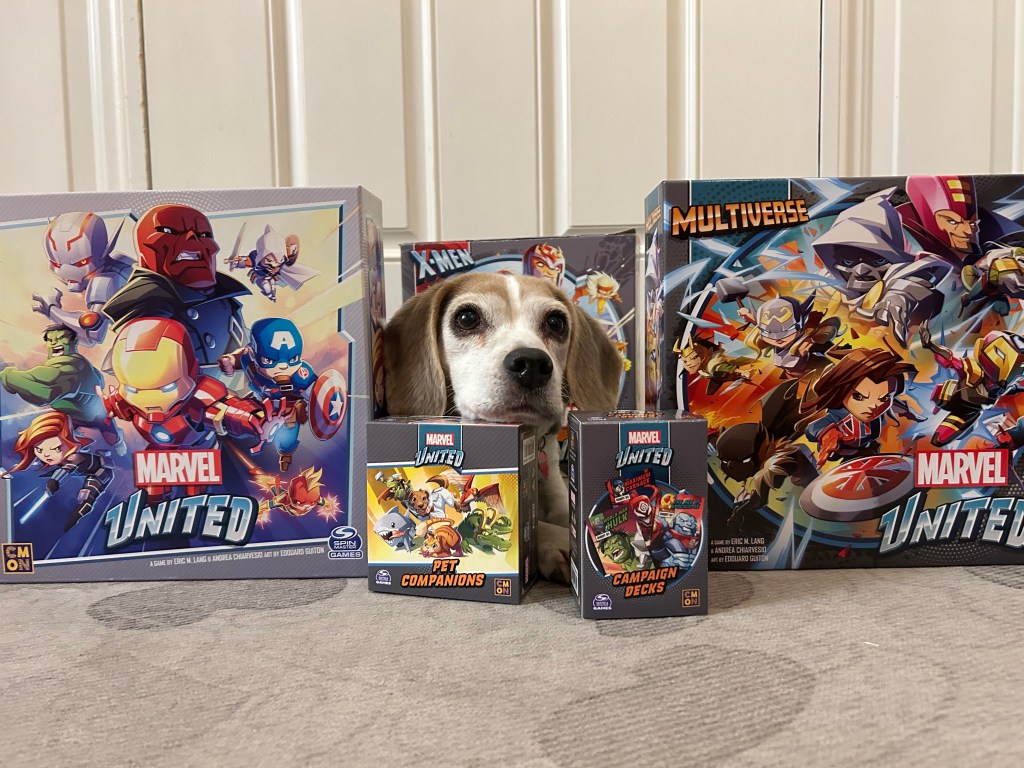
I am a huge Marvel fan, so when CMON released their original Marvel United Kickstarter back in Spring of 2020, I was all over it. A cooperative board game with dozens of Marvel characters and plenty of cool miniatures to go with it? Yes, please!
Since then, I’ve backed the next two seasons of the game, X-Men (2021) and Multiverse (2023), and my wife backed DC Super Heroes United (2024) as a gift to me. Now, I own hundreds of miniatures featuring comics’ greatest heroes and villains. It all adds up to a lot of game.
Thankfully, the design team behind the United franchise has done a lot to make the massive collection feel worth it. Even in season one, many of the heroes felt at least somewhat unique, and the different villains added so much variety to play. Most villains altered playstyles and end game goals greatly. With each release the heroes became more uniquely designed, and the villains continue to each create more and more diverse play scenarios.
As the series has grown and evolved, the designers have only added more variety and content, keeping the game growing and entertaining. More special ability cards have been added to hero decks. Equipment cards have been introduced. There are a ton of different game modes like gauntlets, teamed up villains, and non-player/non-villain character interactions both helpful and hurtful to players. The game basically has three unique, but all fun, versions of player vs. player. The list goes on with pet companions, team decks, and more.
With so much content, it can be hard to get everything I own to the table (Honestly, it will probably take years before I do). I’ve seen a lot of interesting paths that other players have taken to maximize their use of their collections. Some people have made checklists, while others use randomizers. There have even been a few fan-made campaigns/legacy modes that have dozens of scenarios that implement almost every character available. I’ve seen community challenges where people suggest scenarios that the wider population try that week.
CAMPAIGNS
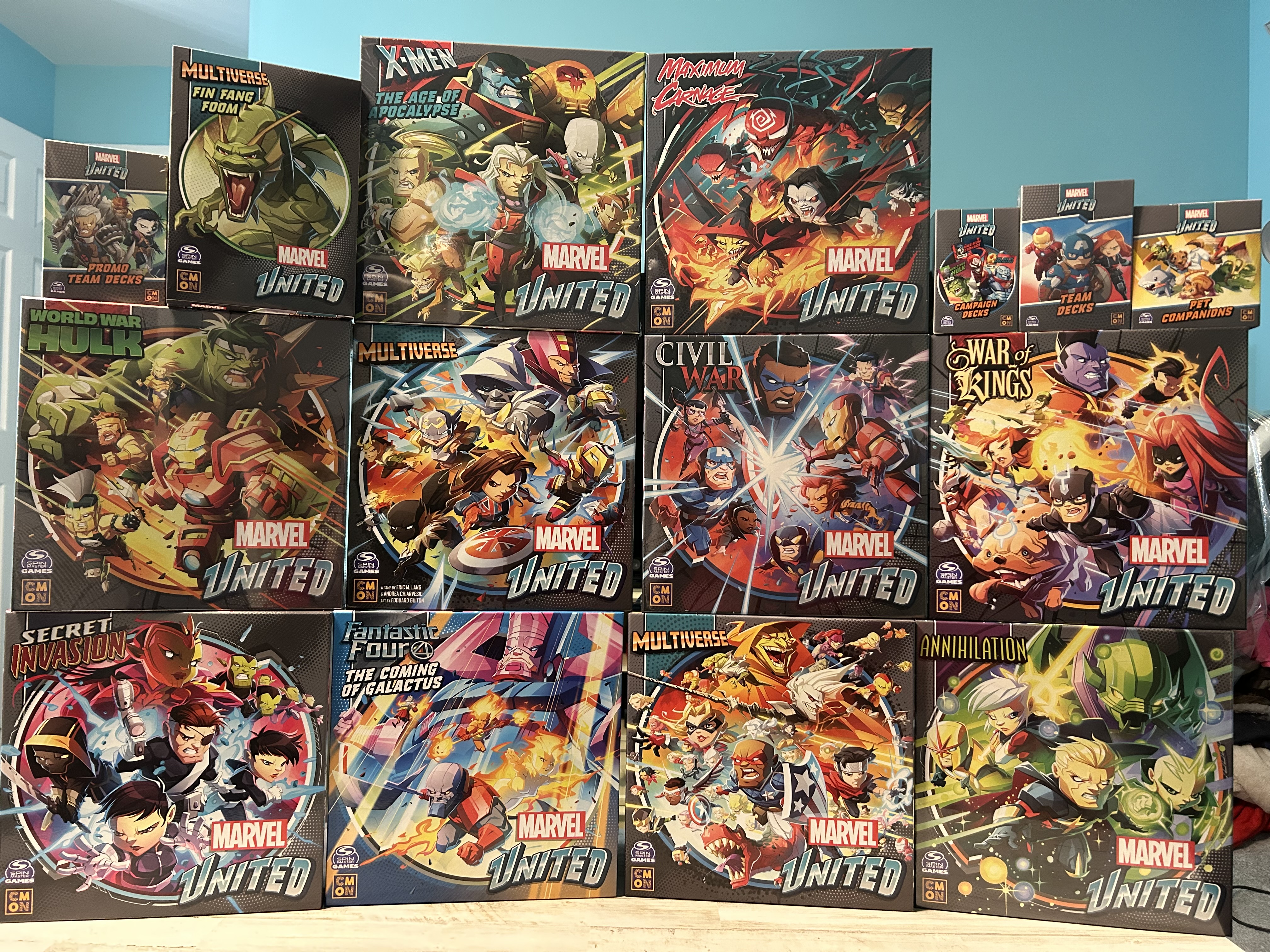
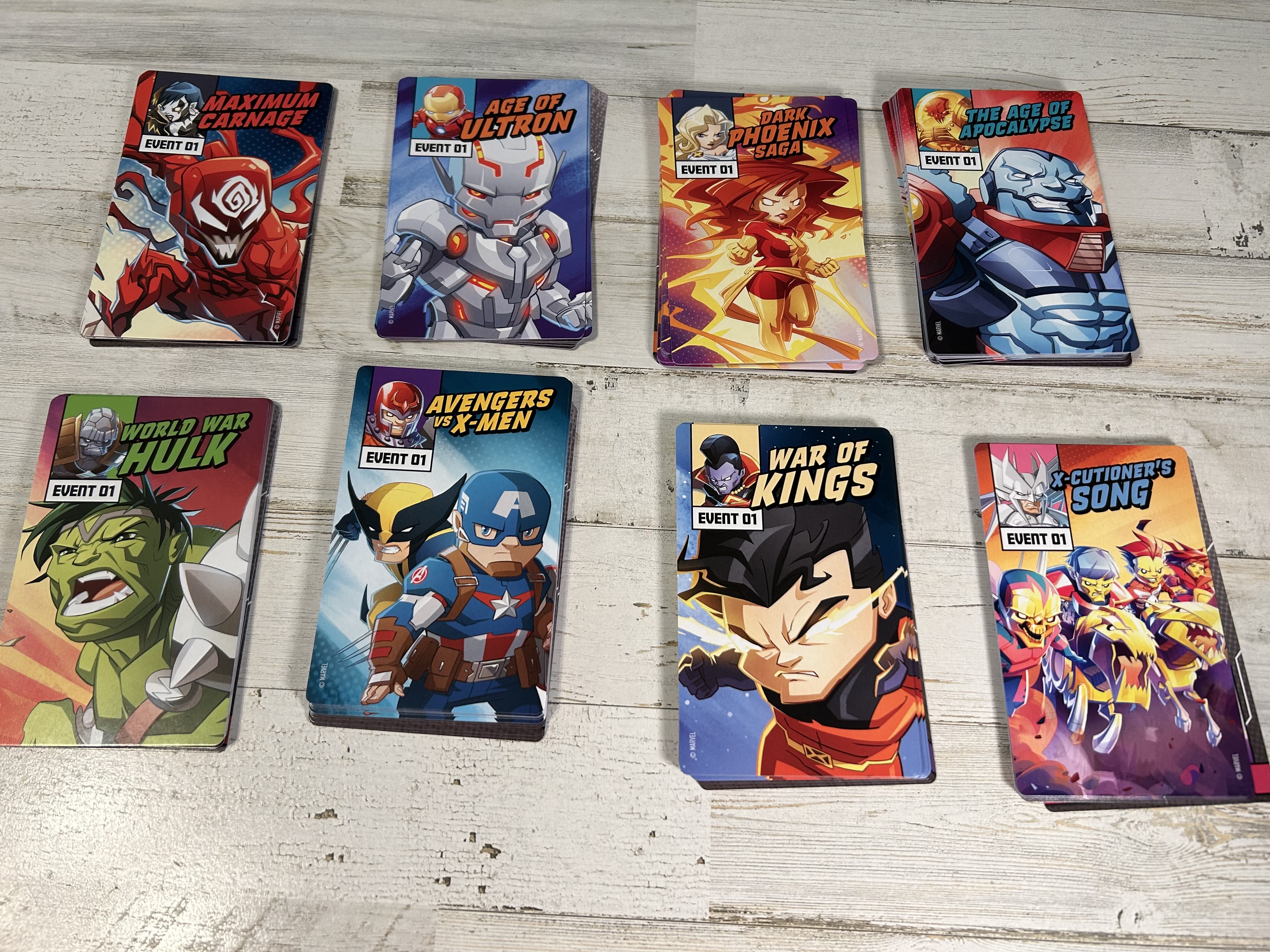
Then in season 3, CMON announced official campaigns. There would be eight campaign decks that would make use of elements from across the three Marvel seasons, aiming to recreate popular storylines from Marvel History.
The campaign decks are:
- Age of Ultron
- Avengers vs. X-Men
- Dark Phoenix Saga
- Maximum Carnage
- The Age of Apocalypse
- War of Kings
- World War Hulk
- X-Cutioner’s Song
Each campaign sets up a series of scenarios for players to take on. Every game has specific usable heroes, and these rosters will change between games. The campaign deck tells players what villains they will face and gives any special rules for set up. The scenario set up cards will also give triggers that unlock events. Events may affect the current game or alter how later games are set up. These add a bit of surprise and mystery throughout the campaign.
The length of the campaigns vary from one to the other. They also make use of different game modes, from standard to solo to player vs. player and more. The campaigns are balanced for 3-4 players but they are still playable at 1-2 players. While they may work best with the intended game elements, for players who are missing some components, they can be substituted with other game pieces.
As a lover of campaign and legacy games, I eagerly awaited my opportunity to take these official campaign decks for a spin. It took a lot of patience, but my order of Marvel United: Multiverse has finally arrived, which meant I knew exactly what I wanted to try first.
WE’RE GOING ON AN ADVENTURE
The Dark Phoenix Saga
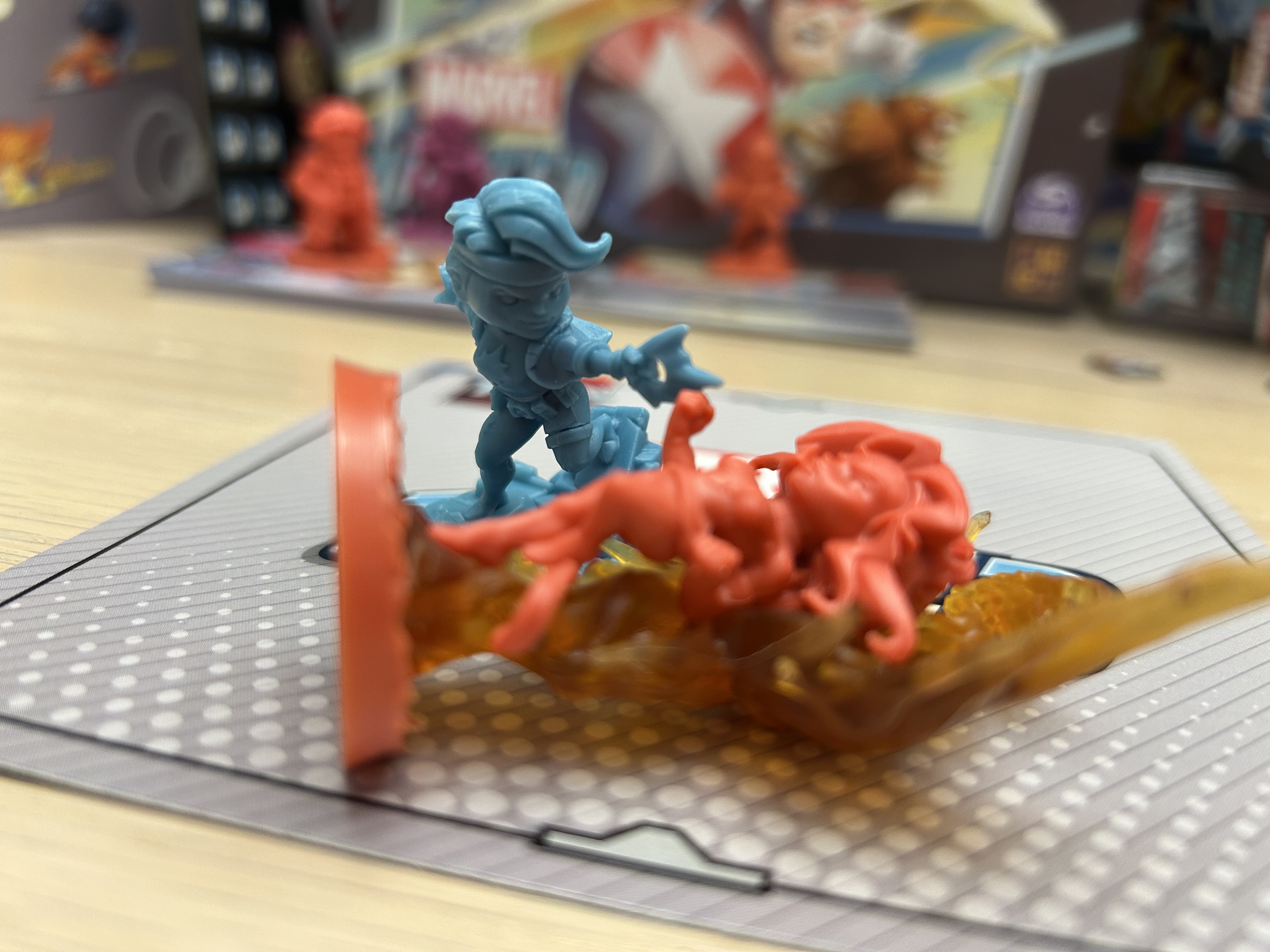
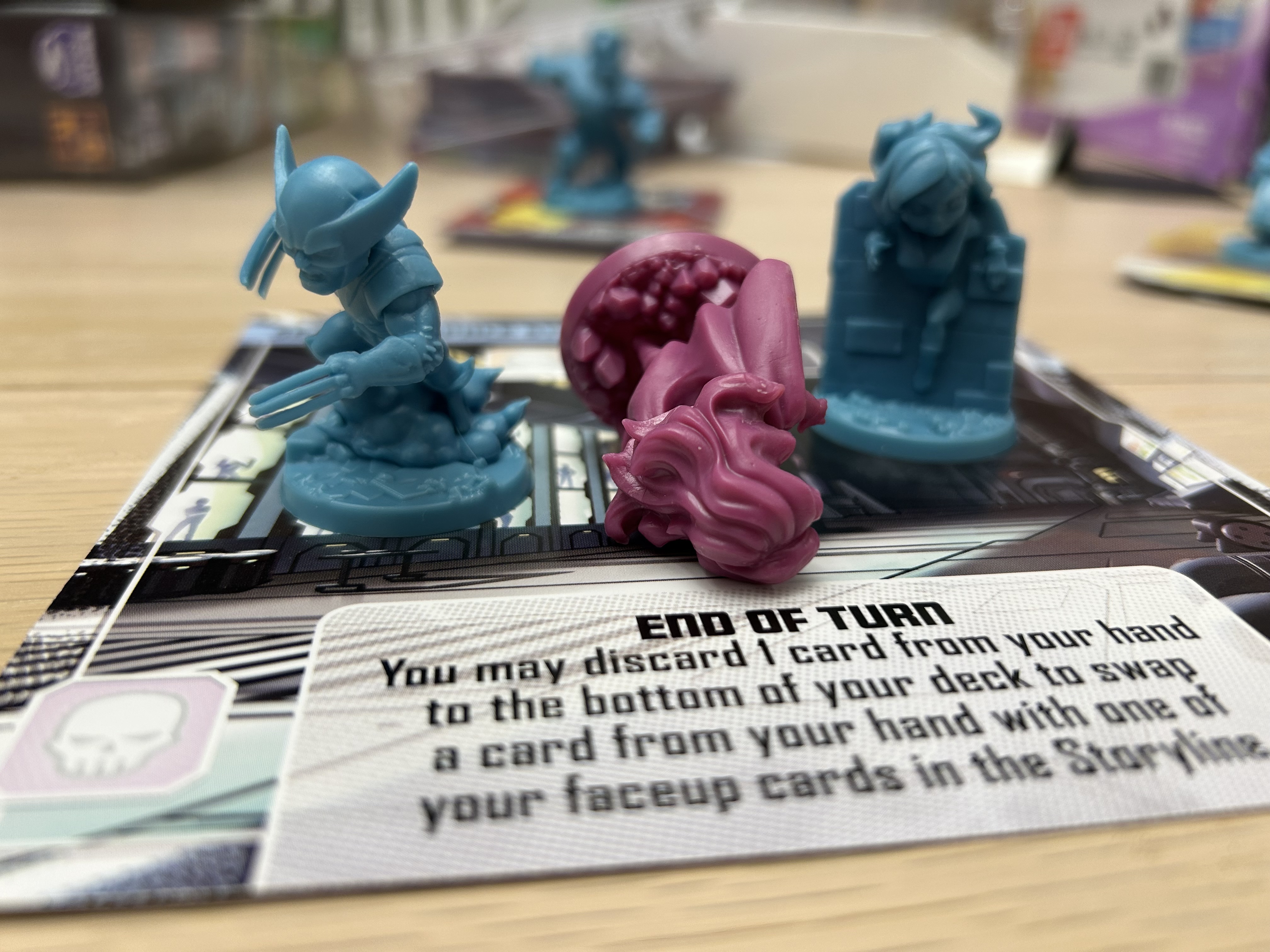
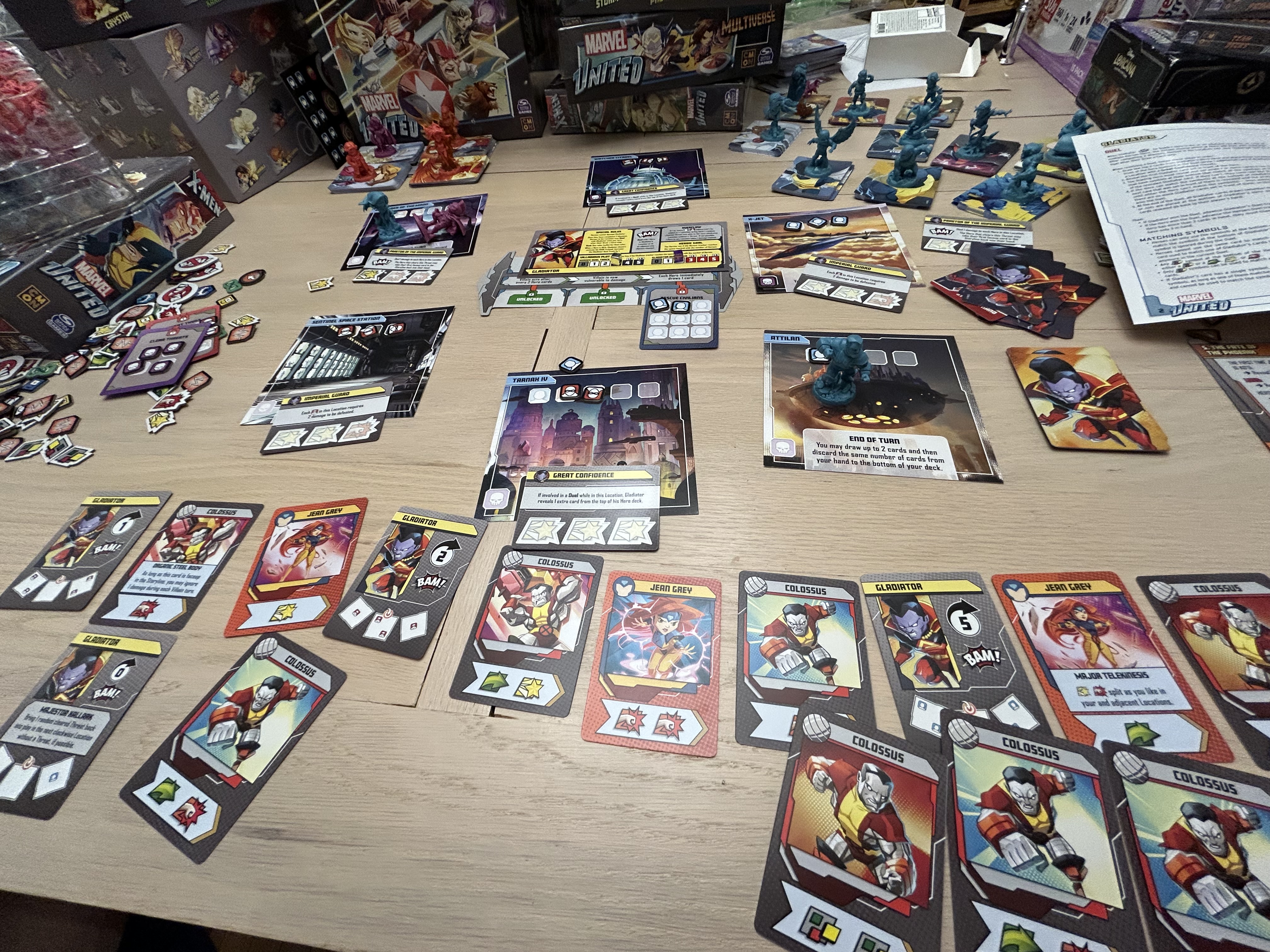
My wife and I attempted the Dark Phoenix Saga campaign first. This story involved the X-Men, Jean Grey turning evil, and intergalactic consequences. We only ended up losing once during the five game campaign (against Sebastion Shaw).
One of the reasons I picked to do this campaign first was that it was a bit more straightforward, with mostly standard scenarios and only a few villain power ups. The games played out well and felt pretty balanced. The events we hit had minimal impact on the campaign as a whole, but that was because we never needed to use the benefits to us and avoided the bad events that would have hurt us later.
The campaign set up some fun scenarios and gave us a nice push to get multiple games in during one sitting.
Age of Ultron

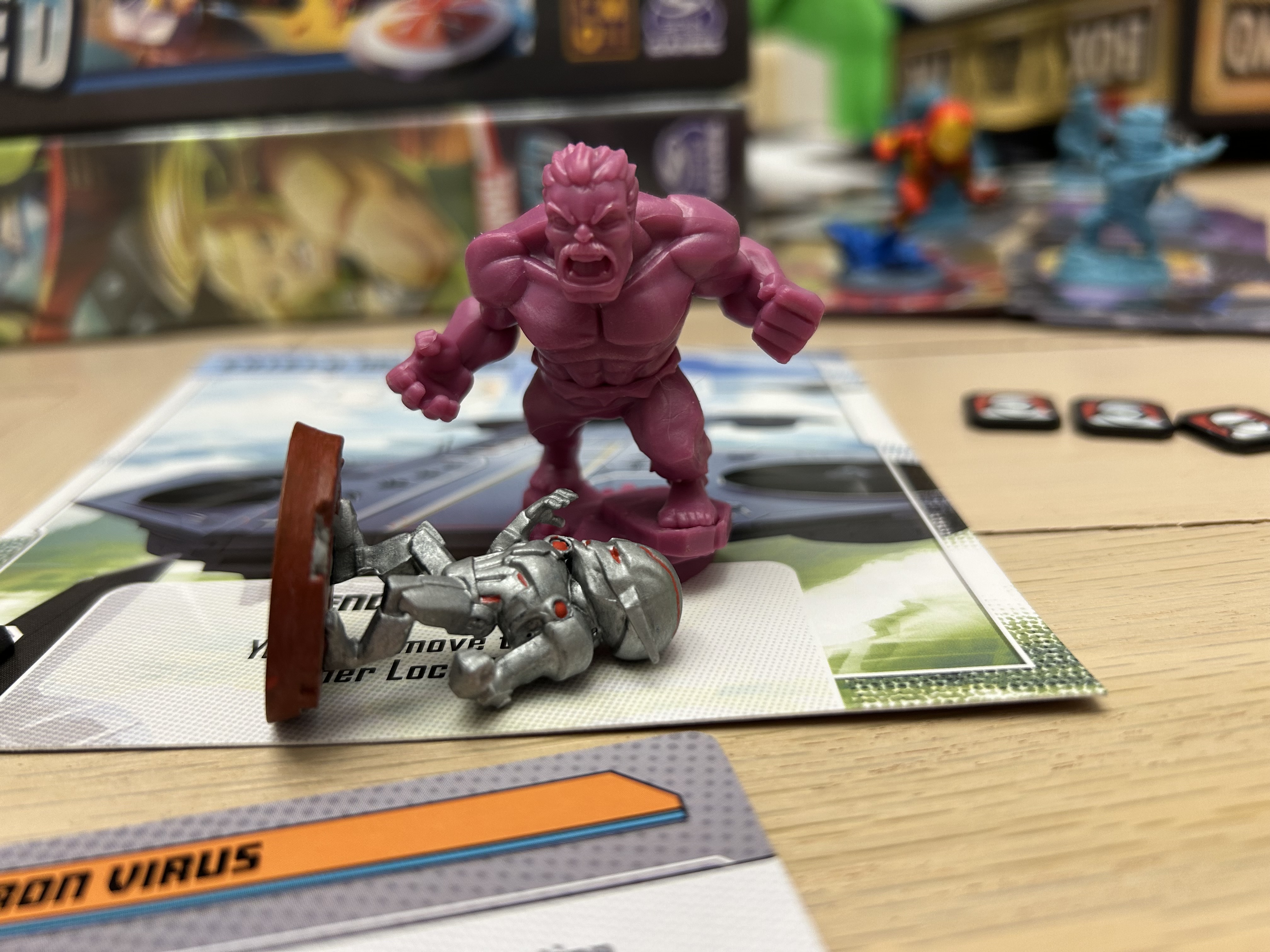
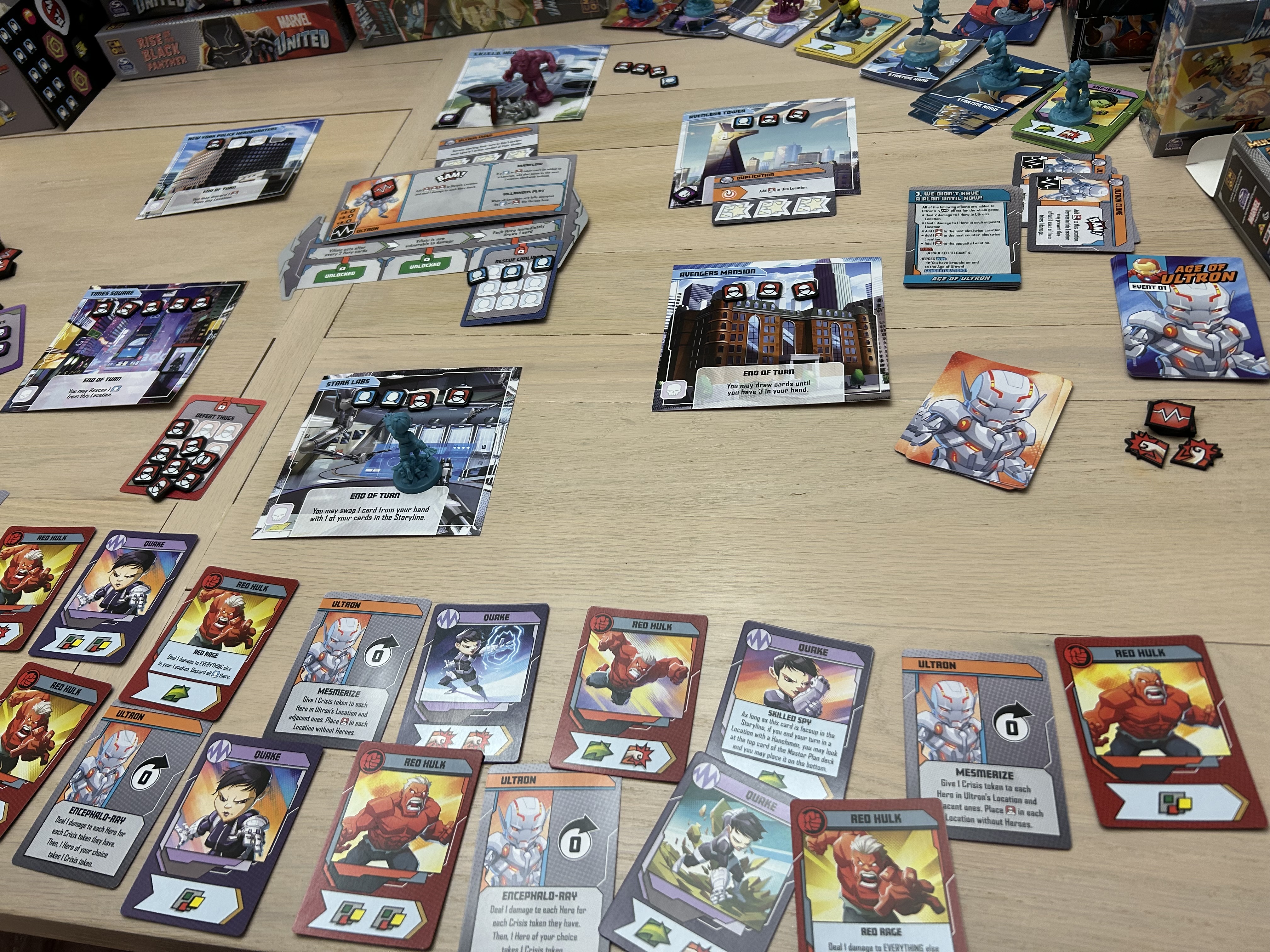
This campaign was made up of a series of battles against Ultron. Yep. Each scenario was against the same villain. However, each time we faced him, he became more powerful. That meant his BAM effects just kept getting more and more devastating. We ended up never losing, against Ultron, but each game proved to be a real nail biter. In one game, Ultron almost defeated us before we even had one turn against him. Sometimes, luck was on our side and other times we felt like the end was nigh.
With our growing roster of available characters, we purposefully selected different characters each game, and that helped keep each game feeling very unique and strategic. Technically, we didn’t have to play the final scenario because we won the second to last and ended the story on a good note, but we’re completionists, so of course we played the last game anyways. That one was very different from the ones that came before it, and proved to be the hardest. Definitely glad we free played it.
FINAL THOUGHTS:
As a whole, I think that the official campaign decks are a great additional to the Marvel United game system. They help encourage multiple plays in a sitting and allow players to use more content in a structured way. While part of the fun of the Marvel United is the crazy amount of customization players can exert to create scenarios, it’s also really great to take on thematic challenges as well.
The deck system is pretty streamlined, so the special set up and rules are easy to reference and remember. Set up never really felt any harder than a normal game of United, which means the hardest part pulling different components from different game boxes. However, the campaign booklet is nice enough to say which base and expansion sets are needed for each campaign. That way players can have them on hand ready to go.
The event cards varied on impact level during our campaigns. For the most part they gave small benefits or additions to difficulties. It might have been nice to have much larger consequences to our actions (and maybe other campaign’s event cards do), but it’s also understandable that the event cards may have been limited. These campaign decks are making use of existing game components and not a full campaign/legacy system.
My only real complaint is the lack of narrative to the campaign decks. The games are thematic and they follow the established storyline, but there is no mention of the storyline in the campaign decks. As someone who read the storylines, I can point out to my wife why Wolverine and the Invisible Woman are fighting Ultron or why Gladiator suddenly showed up during the Dark Phoenix Saga, but lacking the background knowledge already are left just playing through scenarios without any explanation. I don’t think the game needed to retell the storylines in extreme detail, but even a paragraph of story before or after each scenario would have gone along way. Sigh, I guess wikipedia will have to fill in the gaps for those interested.
Overall, the campaign decks are a welcome addition and I looked forward to playing through more of them soon. Currently, I’m eying the Maximum Carnage deck because I can always use a little more Spider-Man in my life.




 Chaos & Confetti
Leave a reply to orangerful Cancel reply